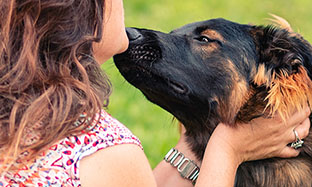
Why does your dog or cat's breath Smell Bad?
Reviewed by Veterinary Expert
Reviewed by: Dr. Ravi Yadav
Marketing Manager, Virbac (India, Middle East & Africa)
Experienced animal health professional specializing in companion animal nutrition, preventive healthcare, and veterinary communication.
Last reviewed on: April 2026
Introduction: Bad Breath in Pets Is Not Normal
Many pet parents assume that mild mouth odor is expected in animals. However, persistent bad breath is usually a warning sign of an underlying health issue rather than a normal condition.
Understanding bad breath in dogs causes and bad breath in cats causes is essential for protecting long-term dog dental health and cat dental health. If you are wondering why does my dog have bad breath or why does my cat have bad breath, the cause is often medical, not behavioral or age-related.
1. Bad Breath Is Not a Normal Condition
Occasional mild odor after eating may occur, but strong or persistent foul smell is not normal in healthy pets.
Ongoing dog bad breath or cat bad breath is commonly linked to:
- Plaque and tartar buildup
- Gum infections
- Tooth decay
- Poor oral hygiene
Age alone does not cause bad breath—dental or systemic disease does.
2. Medical Causes of Bad Breath in Dogs and Cats
Periodontal Disease (Most Common Cause)
One of the leading bad breath in dogs causes and bad breath in cats causes is periodontal disease. It develops when bacteria accumulate on teeth and gums, leading to:
- Inflammation of gums
- Infection around teeth roots
- Pain and difficulty chewing
- Tooth loss in advanced stages
Oral Infections
Bacterial infections in the mouth or abscesses can create a strong foul odor and require immediate treatment.
Systemic Diseases
Bad breath may also reflect internal health conditions such as:
- Kidney disease (ammonia-like odor)
- Diabetes (sweet or unusual odor)
- Liver dysfunction (strong foul smell)
This is why persistent halitosis should always be evaluated.
3. When Bad Breath Becomes a Health Risk
Bad breath is not just a hygiene concern—it can indicate pain and disease progression.
Warning Signs Include:
- Difficulty chewing or dropping food
- Red or bleeding gums
- Excessive drooling
- Loose teeth
- Sudden worsening of odor
These signs often point to advanced dental disease affecting overall health.
4. Daily Oral Care Is Essential
Brushing Your Pet’s Teeth
Regular brushing dog's teeth is one of the most effective ways to prevent oral disease.
Benefits include:
- Reducing plaque formation
- Preventing gum disease
- Supporting overall dog dental health and cat dental health
Always use pet-safe toothpaste designed specifically for animals.
5. Role of Dental Chews and Oral Care Aids
When brushing is challenging, supportive products help maintain oral hygiene.
- Dental Chews for Dogs help reduce plaque through chewing action
- Dental sticks for dogs support mechanical cleaning of teeth surfaces
These should complement—not replace—regular brushing.
6. Veterinary Care and Professional Cleaning
A veterinarian can:
- Examine oral health thoroughly
- Identify infections or dental disease
- Perform professional cleaning and scaling
- Treat advanced dental conditions
Routine dental checkups are essential for early detection and prevention.
7. Risk Communication: When to Consult a Veterinarian
Contact Your Veterinarian Within 24 Hours If:
- Breath odor becomes suddenly strong or unusual
- Pet shows discomfort while eating
- Gums appear swollen or bleed
Seek Urgent Veterinary Care If:
- Severe swelling is visible in the mouth or face
- Pet refuses food completely
- There is signs of pain or distress
Delaying treatment can lead to infection spread and systemic complications.
Conclusion
Bad breath in pets is rarely just a minor issue. In most cases, it is an early sign of dental disease or systemic health problems. Recognizing symptoms early and maintaining regular oral care is key to protecting long-term health.
Simple habits like brushing, using Dental Chews for Dogs, and routine veterinary checkups can significantly improve oral hygiene and overall wellbeing.
Important Disclaimer
This content is veterinary-reviewed and intended for informational purposes only. It does not replace professional veterinary diagnosis or treatment. Always consult a veterinarian for concerns related to dog dental health or cat dental health.