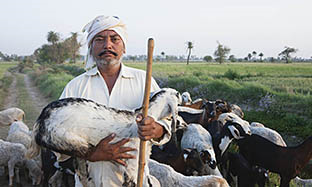
Pneumonia in Sheep and Goat
Pneumonia in sheep and goats is a serious condition affecting the lungs (pulmonary parenchyma) and often the bronchioles, making it one of the most important respiratory diseases in livestock. Both pneumonia in sheep and pneumonia in goats can lead to significant health losses, especially in young animals.
This condition occurs when infectious agents such as bacteria, viruses, or parasites—or non-infectious stress factors—cause inflammation of the lungs. Understanding the causes of pneumonia in sheep and goats is critical for early detection, effective treatment, and prevention.
The causes of pneumonia in sheep and goats are multifactorial and often linked to stress and management conditions.
Primary Infectious Causes
- Bacterial infections
- Pasteurella multocida
- Mannheimia haemolytica
These are the most common pathogens responsible for acute outbreaks
- Viral infections
- Weaken immunity and predispose animals to secondary bacterial infections
- Parasitic infections
- Lungworms that damage respiratory tissues
Predisposing Risk Factors
- Transportation stress
- Overcrowding
- Poor ventilation and housing
- Sudden weather or environmental changes
- Nutritional deficiencies
- Previous infections
These factors weaken natural defense barriers, increasing susceptibility to pneumonia in goat and sheep.
Types of Pneumonia in Goats & Sheep
Understanding the types of pneumonia in goats and sheep helps in accurate diagnosis and treatment:
-
Bacterial Pneumonia
Caused by Pasteurella multocida and Mannheimia haemolytica
-
Viral Pneumonia
Often primary infections that predispose to secondary bacterial invasion
-
Parasitic Pneumonia
Caused by lungworms, especially in grazing animals
-
Aspiration Pneumonia
Occurs when foreign material enters the lungs
-
Interstitial Pneumonia
Involves diffuse inflammation of lung tissue, often severe
Signs of Pneumonia in Goats and Sheep (Early Symptoms)
Early recognition of the signs of pneumonia in goats and sheep can improve outcomes:
- Fever (104°F to 106°F)
- Nasal discharge (mucopurulent)
- Mild to moderate cough
- Reduced appetite
- Slight difficulty in breathing
- Dullness or reduced activity
Severe Symptoms – Contact a Veterinarian Immediately
- Severe respiratory distress or labored breathing
- Persistent, painful coughing
- Crackling sounds in lungs (on auscultation)
- Profuse nasal and ocular discharge
- Extreme weakness or inability to stand
- Sudden deaths (especially in kids/lambs with high mortality rates)
Treatment of Pneumonia in Sheep and Goats
Prompt and appropriate treatment of pneumonia in sheep and goats is critical to reduce mortality.
Commonly Used Antibiotics
- Penicillin
- Ampicillin
- Tetracycline
- Oxytetracycline
- Tylosin
- Florfenicol
- Ceftiofur
Note:
- Ceftiofur is the only FDA-approved antibiotic specifically indicated for caprine pneumonia
- Dosage: 0.5 to 1.0 mg/lb body weight, administered intramuscularly (as per veterinary guidance)
Supportive Care
- Anti-inflammatory medications
- Fluid therapy (if dehydrated)
- Nutritional support
- Isolation of affected animals
Prevention of Pneumonia in Sheep and Goats
Preventive management plays a key role in reducing outbreaks of pneumonia in sheep and goat.
Modern Farm Management Practices
- Ensure proper ventilation in housing
- Ensure proper ventilation in housing
- Minimize transportation stress
- Maintain consistent feeding and nutrition
- Implement vaccination programs (where applicable)
- Regular deworming to prevent lung parasites
- Early isolation of sick animals
Hygiene & Monitoring
- Clean and dry bedding
- Clean and dry bedding
- Monitor environmental changes (temperature, humidity)
Final Words
Pneumonia in sheep and goat remains a major concern in livestock health due to its rapid onset and high mortality in severe cases. Early recognition of the signs of pneumonia in goats, understanding the causes of pneumonia in sheep, and timely treatment of pneumonia in sheep and goats are essential for effective control.
A proactive approach combining good management practices, early diagnosis, and veterinary intervention can significantly reduce the impact of this disease.
1. How do you treat pneumonia in sheep?
The treatment for pneumonia in sheep typically involves antibiotics such as penicillin, oxytetracycline, tylosin, or ceftiofur, depending on severity and veterinary advice. Early intervention is critical in pneumonia in sheep, along with supportive care like proper hydration, warmth, and reduced stress.
2. What exactly is pneumonia in sheep and goats?
Pneumonia in sheep and goats is an inflammation of the lungs, often involving the bronchioles, caused by bacterial, viral, or parasitic agents. This condition affects breathing and can quickly become severe if untreated.
3. What are the main causes of pneumonia in sheep and goats?
The most common causes of pneumonia in sheep and goats include bacterial infections such as Pasteurella multocida and Mannheimia haemolytica. Stress factors like overcrowding, transportation, poor housing, and sudden weather changes also increase susceptibility, leading to pneumonia outbreaks.
4. How is pneumonia in sheep and goats diagnosed?
Diagnosis of pneumonia in sheep and goats is based on clinical signs such as fever, coughing, nasal discharge, and breathing difficulty. Veterinarians may also use lung auscultation (listening for crackles) and, in some cases, laboratory tests to confirm infection.
5. Can pneumonia in sheep and goats be treated effectively?
Yes, pneumonia in sheep and goats can be treated effectively if identified early. Timely use of antibiotics and supportive care significantly improves recovery rates. Delayed treatment may lead to complications or higher mortality.
6. How can I prevent pneumonia outbreaks in my flock/herd?
Preventing pneumonia outbreaks involves maintaining good ventilation, avoiding overcrowding, reducing stress during transportation, and ensuring proper nutrition. Vaccination and regular health monitoring also help control pneumonia in animals.
7. Can pneumonia spread between animals?
Yes, pneumonia in sheep and goats can spread, especially when caused by infectious agents. Close contact, shared feeding areas, and poor hygiene can facilitate transmission, increasing the risk of herd-wide infection.
8. What actions should I take if I suspect pneumonia in my sheep/goats?
If you suspect pneumonia in sheep and goats, isolate the affected animal immediately and consult a veterinarian. Early diagnosis and appropriate treatment for pneumonia in goats or sheep are essential to prevent disease spread and reduce losses.