
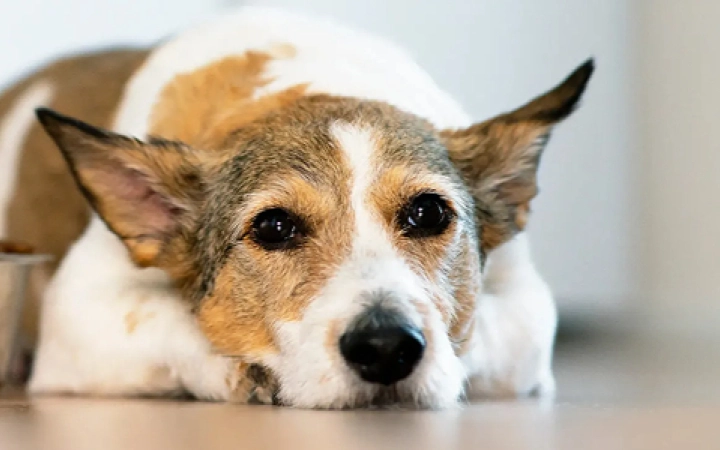
Most people notice a drop in their own appetite during peak summer. Heavy meals feel uncomfortable when the body is already struggling to stay cool. Dogs respond similarly. When temperatures rise, digestion often slows and hunger reduces.
Heat stress affects how the body distributes energy. Instead of focusing on digestion, it shifts priority toward cooling. This natural adjustment can result in a dog's loss of appetite, especially during hot afternoons. In many cases, appetite suppression is a protective response rather than an illness. However, understanding the difference between normal seasonal changes and warning signs is essential for every pet parent.
The Body Prioritises Cooling Over Digestion
When temperatures increase, a dog’s body works harder to regulate internal temperature. Panting, increased blood flow to the skin, and behavioural changes help release excess heat. Digestion, which requires energy and internal heat production, becomes secondary. This shift is one of the most common reasons for dog appetite loss during summer.
Just like humans may avoid spicy or heavy meals in extreme heat, dogs instinctively eat less to reduce metabolic strain.
Reduced Digestive Efficiency in High Temperatures
High temperatures can slow digestive processes. Blood flow is redirected toward cooling mechanisms rather than the stomach and intestines. This can make food feel less appealing or harder to process. In some dogs, this leads to mild nausea or reluctance to eat.
This explains why dogs don’t eat food during midday heat, but may resume eating once the temperature drops.
Signals for Natural Decline in Hunger
Hormonal signals that regulate hunger can fluctuate with environmental temperature. During hot days, hunger cues may weaken. Dogs that normally rush to their bowls may suddenly appear indifferent.
This change is often temporary and linked directly to environmental heat rather than disease.
Skipping Meals During the Day
Many dogs naturally skip daytime meals in summer. They may approach the bowl, sniff briefly, and walk away. However, they often compensate later in the evening. Feeding patterns shift to cooler hours when digestion feels more comfortable.
When your Dog is Eating Less than Usual
Reduced portion intake is common. Instead of finishing the entire meal, dogs may leave part of it behind. As long as energy levels remain stable and hydration is adequate, a mild reduction may not be concerning.
Preference for Cooler Feeding Hours
Dogs frequently show greater interest in food early in the morning or after sunset. Cooler temperatures improve comfort and digestion. Adjusting meal timing can often resolve seasonal appetite dips.
When does appetite loss become a concern
While mild appetite changes are common, certain signs require attention.
Prolonged refusal to eat
If a dog refuses food for more than 24 hours, particularly puppies or small breeds, veterinary guidance is advisable.
Weight loss or weakness
Noticeable weight drop, lethargy, or reduced activity levels may signal underlying problems beyond heat.
Signs of dehydration or illness
Excessive panting, dry gums, vomiting, diarrhoea, or extreme fatigue may indicate dog heat stress symptoms or other medical issues.
In such cases, appetite loss is not just seasonal but part of a larger health concern.
Practical ways to support appetite in hot weather
Feed during early morning or evening
Scheduling meals during cooler hours encourages better intake and digestion.
Offer easily digestible food
Light, balanced nutrition reduces digestive load. Smaller, more frequent meals may also help maintain energy.
Ensure hydration at all times
Fresh, clean water should always be available. Adding water to dry food or offering hydration-supportive options can help maintain fluid balance.
Monitoring behaviour is equally important. A dog that skips one meal but remains playful and hydrated may simply be adjusting to the temperature. A dog that appears weak, withdrawn, or ill needs prompt attention.
Conclusion
A mild drop in appetite during hot weather can be a normal biological response. The body conserves energy and focuses on cooling rather than digestion. However, careful monitoring is essential. Duration, hydration status, weight changes, and behaviour help distinguish seasonal appetite shifts from serious health issues.
If concerns persist, veterinary consultation is recommended. Balanced nutrition tailored to seasonal needs can support overall health. Pet parents can explore scientifically developed options such as Virbac’s nutritional range, including their best dog food, designed to support digestion and vitality even during challenging weather conditions.