

.png)
Feeding Your Sterilised Cat Properly
.png)
A Sterilised Cat is More Often Subject to Weight Gain
Sterilisation can predispose your cat to weight gain: the risk is twice as high compared to an unsterilised cat. This can be explained by hormonal changes which appear as a result of sterilisation and result in a reduction of energy needs as well as changes in feeding behaviour. And, if its food is not adjusted after sterilisation, its energy intake is likely to be higher than its expenditure and therefore result in weight gain.
Watch its Weight
Keeping your animal at its ideal weight can be a real challenge, but it is very important for its health and well-being. Veterinary experts agree that animals which are in shape live better and longer in good health. Weight gain and obesity increase your cat's risk of developing health problems and diseases: diabetes, joint disorders, cardio-respiratory difficulties, urinary disorders, etc.. It is therefore essential and necessary to adapt your cat's food as soon as it has been sterilised. Here you will find advice dedicated to sterilised cats. Ask your veterinarian for advice.
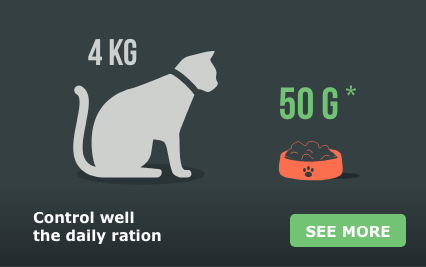
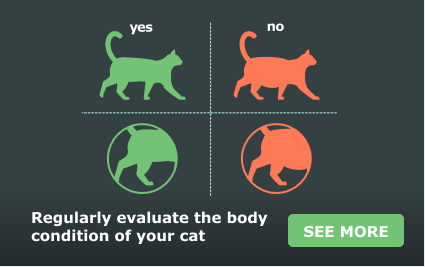
.png)
The carbohydrate calculator allows you to better understand the composition of your food and to check if it is well adapted to your pet's needs
 TEST YOUR CATS DIET!
.png)
Answer 5 questions about your pet and we'll suggest the right food from our VETERINARY HPM® range!
.png)
1. What is VETERINARY HPM® Sterilised Cat food used for?
Sterilised Cat food is specially formulated to meet the nutritional needs of cats after sterilisation or neutering. Sterilised cats often experience reduced energy needs and an increased risk of weight gain. This diet helps support healthy weight management, lean muscle maintenance, and overall wellbeing while meeting your cat’s daily nutritional requirements.
2. How does sterilised cat diet differ from standard cat food?
A specialised veterinary HPM sterilised cat diet is designed with adjusted calorie levels and balanced nutrients to support cats after sterilisation. Compared to regular sterilized cat food, these formulas are often lower in carbohydrates and appropriately balanced in protein and fat to help maintain an ideal body condition and support long-term health.
3. Will VETERINARY HPM® Sterilised Cat food help my neutered cat lose weight?
VETERINARY HPM® sterilized cat food is formulated to help manage weight by supporting satiety and maintaining lean muscle mass. Combined with portion control and regular activity, this diet can help prevent excessive weight gain and support healthy body condition in neutered cats.
4. How does VETERINARY HPM® Sterilised Cat food support my cat’s urinary health?
Specially formulated sterilized cat food can help support urinary health by promoting balanced mineral intake and maintaining optimal urinary conditions. Proper nutrition and hydration are important for reducing the risk of urinary discomfort and supporting a healthy urinary system in sterilised cats.
5. Is VETERINARY HPM® Sterilised Cat food good for my cat’s skin and coat?
Yes, Sterilised Cat food from the VETERINARY HPM range contains balanced nutrients, including essential fatty acids, vitamins, and proteins that help support healthy skin and a shiny coat. Proper nutrition plays an important role in maintaining your cat’s overall appearance and wellbeing.
6. How much should I feed my sterilised cat daily?
The ideal feeding quantity for your sterilised cat depends on factors such as age, weight, activity level, and overall health condition. Always refer to the feeding guide on the packaging and consult your veterinarian for personalized feeding recommendations to help maintain your cat’s ideal weight.